Hello Sister Handwritten Display Font Review
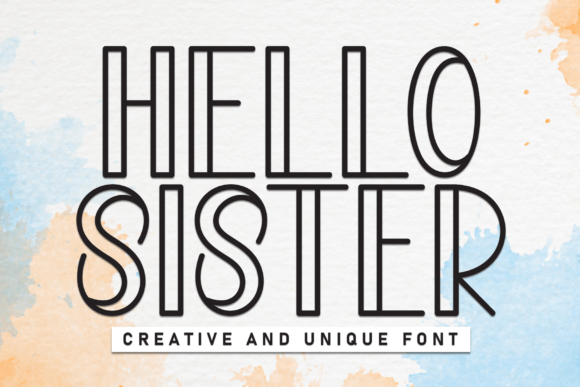
The cursor blinked on the blank canvas of my latest digital magazine layout, a common moment of hesitation for any editorial designer. I needed a typeface that could bridge the gap between structured content and personal connection, something that felt like a handwritten note but held the structural integrity required for professional publishing. After testing several options, Hello Sister emerged as the standout choice. Introducing the sweet and endearing handwritten display font, carefully crafted to infuse your creative projects with a playful touch, this typeface offers a unique solution for creators seeking to elevate their visual identity without sacrificing readability.
Hello Sister for Lifestyle Blog Headers and Brand Identity
When redesigning the header for a lifestyle blog focused on mindful living, the goal was to create an immediate sense of warmth and approachability. Hello Sister proved to be an ideal candidate for this role. As a premium font designed for display purposes, it brings a charmingly authentic and fun aesthetic that resonates deeply with modern audiences looking for authenticity in their digital spaces. The font’s natural rhythm mimics the flow of human handwriting, which helps establish a stronger emotional connection with readers before they even begin reading the body copy.
In editorial design, establishing a consistent brand voice is crucial. Using Hello Sister for site titles, section headers, or logo accents creates a cohesive look that feels curated rather than generic. It elevates the elegance of a simple blog layout by adding a layer of personality that standard sans serif fonts often lack. For independent content brands and bloggers, this distinction is vital; it transforms a standard webpage into a branded experience that feels handcrafted. The font works exceptionally well when paired with clean, minimal layouts, allowing the typography to serve as the primary visual anchor.
Visual Hierarchy in Digital Publications
One of the most critical aspects of web design is guiding the reader’s eye through the content structure. Hello Sister excels at creating clear visual hierarchy when used correctly. By applying it to pull quotes, chapter openers, or key takeaways, designers can draw attention to specific moments within an article without disrupting the flow of the text. Its expressive nature ensures that these highlighted elements stand out, encouraging deeper engagement with the material. However, because it is a display font, it requires strategic placement. It should not compete with body text but rather complement it, acting as a visual pause that invites the reader to linger.
Hello Sister for Wedding Guides and Elegant Branding
The wedding industry relies heavily on typography to convey mood and tone, making the selection of the right typeface a high-stakes decision. Hello Sister fits seamlessly into this niche, offering a blend of whimsy and sophistication that appeals to couples planning their special day. When designing wedding invitations, save-the-date cards, or digital wedding guides, the font’s elegant curves add a touch of romance and formality while remaining accessible and friendly. It avoids the overly ornate pitfalls of traditional script fonts, providing a modern alternative that feels both timeless and current.
For graphic designers working on client publications, such as bridal magazines or event brochures, Hello Sister provides a versatile tool for mixing styles. It pairs beautifully with classic serif fonts for body copy, creating a balanced composition where the decorative headline draws interest and the readable serif handles the detailed information. This combination supports the publication identity by maintaining a professional standard while injecting character. The font’s ability to elevate the elegance of a design makes it particularly suitable for high-end branding projects where every pixel contributes to the perceived value of the product.
Readability Considerations for Print and Digital
While Hello Sister is visually striking, its use requires careful consideration of context and scale. In print materials like planners, worksheets, or printable journals, the font performs best in larger sizes where its details can be appreciated. For mobile layouts, using Hello Sister for short headlines or buttons ensures that the text remains legible across various screen sizes. Designers should avoid using it for dense paragraphs or small captions, as the handwritten style can reduce readability at smaller point sizes. Instead, reserve it for titles, subtitles, and decorative accents where its impact is maximized. Testing the font in different formats—such as PDF exports for ebooks or social media graphics—helps ensure that the intended mood is preserved regardless of the medium.
Hello Sister for Course Materials and Printable Planners
Content creators who produce educational materials, such as online courses, coaching workbooks, or printable planners, often struggle to make their materials feel engaging rather than dry. Hello Sister addresses this challenge by adding a human touch to instructional content. When used for module titles, step-by-step headings, or motivational quotes within a workbook, the font fosters a sense of encouragement and support. It transforms static information into a more inviting learning experience, which can improve user retention and satisfaction.
For digital product sellers on platforms like Etsy or Gumroad, the visual appeal of thumbnails and preview images is paramount. A cover design featuring Hello Sister immediately communicates creativity and care, attracting potential buyers who value aesthetics. The font’s playful yet refined nature aligns well with niches like self-care, productivity, and wellness, where a gentle and supportive tone is preferred over rigid corporate styling. By incorporating Hello Sister into their design assets, creators can differentiate their products in a crowded marketplace, signaling that their content is thoughtfully crafted and professionally presented.
Practical Implementation and Licensing
Before integrating Hello Sister into commercial projects, it is essential to review the included styles, alternates, ligatures, and weights to maximize versatility. Checking for multilingual support ensures that the font meets the needs of diverse audiences, while verifying file formats guarantees compatibility with various design software. Commercial font licensing is another critical factor; understanding the terms allows designers to use the typeface confidently in client publications, paid newsletters, and digital downloads without legal concerns. By treating Hello Sister as a core component of their design toolkit, professionals can consistently deliver high-quality, emotionally resonant work that stands out in today’s content-driven landscape.