Paris Display Font: Elevate Handmade Product Branding
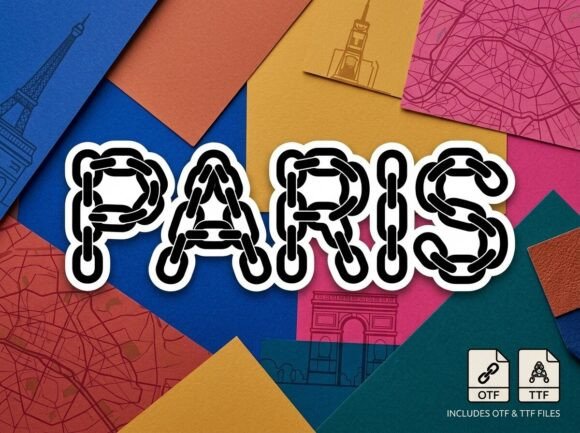
I was sitting at my desk last Tuesday, surrounded by half-cut vinyl sheets and a stack of unprinted candle labels, trying to find the perfect typeface for a new line of artisanal soaps. I had spent hours selecting the wax blend and choosing the essential oils, but the visual identity felt flat. That is when I downloaded Paris. It wasn’t just another decorative option in my library; it immediately became the center of attention on my screen. This font is a stunning decorative display font designed to be the center of attention. Featuring unique artistic elements and a strong visual personality, this font is perfect for creators who want to infuse their handmade goods with an air of effortless elegance. In this guide, I will share how I integrated Paris into my shop materials, from digital listings to physical packaging, and why this specific style of Display Fonts can transform your product presentation.
Paris for Boutique Packaging and Product Labels
When you are designing product labels, the typography needs to communicate quality before the customer even touches the item. I used Paris to create a series of minimalist yet striking labels for my soy candles. Because this is a Display Fonts category asset, it shines best when used sparingly. I applied the main title weight to the brand name "Lumière" and let the unique artistic elements of the letterforms do the heavy lifting. The font’s strong visual personality ensures that your logo or product name stands out against complex backgrounds, such as textured kraft paper or glossy matte finishes. For small-scale applications like jar stickers, I found that keeping the text short—just the product name or a single word like "Lavender"—allowed the intricate details of each character to remain legible. If you are using cutting machines like Cricut or Silhouette, Paris provides clean lines that cut beautifully, reducing the risk of weeding errors common with overly complex scripts. When paired with a simple sans serif font for the ingredient list, the contrast creates a professional, high-end look that suggests premium care in every detail.
Paris for Wedding Invitations and Stationery Design
Wedding stationery is one of the most emotional aspects of event planning, and the right Display Fonts choice sets the tone for the entire celebration. I recently helped a friend design a rustic-chic wedding invitation suite where Paris played a starring role. We used it for the couple’s names on the main invitation card, where its elegant curves mimicked the flow of calligraphy without the difficulty of hand-lettering. The font’s ability to command attention means it works exceptionally well for headlines, such as "Save the Date" or "Welcome," on larger formats like wooden signs or acrylic standees. However, readability is key in editorial design and print production. While Paris is beautiful for short phrases and names, I advised against using it for long paragraphs of text. Instead, pair it with a clean, readable serif font for the ceremony details and directions. This combination balances artistic flair with functional clarity. When preparing files for commercial printing, ensure you embed the fonts or convert text to outlines to preserve the unique artistic elements across different devices and printers.
Paris for Digital Downloads and Printable Wall Art
As a creator of digital products, I know that listing images must grab attention in a split second. Paris has become a staple in my mockup designs for printable wall art and planner pages. Its strong visual personality translates well to social media graphics and Pinterest pins, where bold typography stops the scroll. I often use Paris to create typographic prints featuring inspirational quotes or seasonal greetings. Because it is a decorative display font, it adds immediate character to otherwise blank spaces. For example, I designed a set of holiday tags using Paris for the word "Joy," pairing it with delicate line-art illustrations of holly. The result was a cohesive design that felt both modern and traditional. When selling digital downloads, make sure to include high-resolution PNGs and PDFs so customers can print the designs at various sizes. The versatility of Paris allows it to work in both monochrome black-and-white schemes and full-color palettes, giving your buyers flexibility in how they incorporate your designs into their home decor.
Paris for Seasonal Craft Projects and Merchandise
Seasonal crafting requires quick turnaround times and designs that feel timely yet timeless. Paris fits perfectly into this workflow because its aesthetic is versatile enough for multiple holidays. I have used this font for everything from Halloween-themed tote bags to Christmas mug wraps. The unique artistic elements allow for creative variations; for instance, adding swashes or ligatures (if included in your license file) can give a standard phrase like "Merry Christmas" a festive twist. When designing merchandise such as t-shirts or mugs, remember that large areas of decorative text can sometimes overwhelm the garment or object. I recommend using Paris for focal points, such as the chest area of a shirt or the front face of a ceramic mug. Always test your designs on actual product proofs before mass production. The font’s clarity holds up well on curved surfaces and varied textures, ensuring that your brand message remains clear whether viewed on a screen or held in a customer’s hands. Checking your commercial font licensing is crucial here, as selling physical items made with digital assets requires proper permissions.
Technical Tips for Using Paris in Your Workflow
To get the most out of Paris, consider the technical aspects of your design process. First, always check the included styles. Does the font package offer multiple weights? Are there alternate characters or swashes that can add variety to your designs? These features are essential for creating dynamic layouts without switching typefaces constantly. Second, think about font pairing. Paris pairs wonderfully with a bold display font for secondary accents or a handwritten font for personal notes on cards. Avoid pairing it with other highly decorative fonts, as this can create visual clutter. Third, pay attention to file formats. When sending designs to print shops or uploading them to platforms like Etsy, use vector formats like SVG or AI for scalability, or high-DPI PDFs for crisp text rendering. Finally, verify multilingual support if you plan to cater to international audiences. Ensuring that special characters render correctly prevents awkward gaps in your typography. By treating Paris not just as text, but as a core component of your brand identity, you elevate every touchpoint—from the initial click on your listing image to the unboxing experience of your physical product.