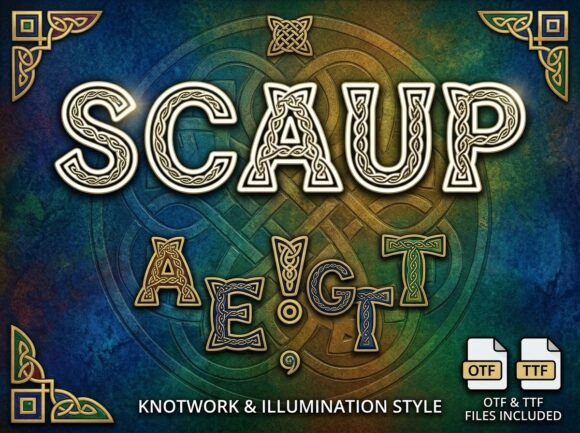
Scaup: A Stunning Decorative Display Font for Editorial Design
The cursor blinked on the blank canvas of a new digital magazine layout. It was one of those quiet moments every designer knows well—the moment before the visual identity takes shape, where the choice of typography will dictate the entire mood of the publication. I had spent weeks searching for a typeface that could command attention without shouting, something with enough artistic weight to anchor a cover story but enough elegance to feel timeless. That is when I encountered Scaup. This font is a stunning decorative display font designed to be the center of attention. Featuring unique artistic elements and a strong visual personality, this font is perfect for creators who want t
In the crowded landscape of digital content, where attention spans are fleeting and design standards are rising, selecting the right Display fonts can make or break a project’s success. After spending several days testing Scaup across various editorial contexts—from blog headers to printable worksheets—I found it to be a versatile yet distinct asset for any serious content creator.
Scaup as a Centerpiece for Magazine Covers and Blog Headers
When you first open the Scaup font family, the immediate impression is one of bold, curated sophistication. Unlike generic sans-serif trends that dominate modern web design, Scaup brings a hand-crafted, almost calligraphic flair to large-scale text. In my recent redesign of a lifestyle blog header, I needed a title treatment that felt personal yet professional. Standard serif fonts often felt too traditional, while script fonts risked looking dated or illegible at smaller sizes. Scaup struck the perfect balance.
The artistic elements within each letterform give the typography a rhythm that guides the eye naturally across the headline. For editorial designers working on digital magazines or newsletter graphics, using Scaup for main titles allows the content to breathe. The strong visual personality ensures that even on mobile devices, where screen real estate is limited, the headline remains the focal point. It transforms a simple text block into a branded image, reducing the need for heavy graphic overlays while maintaining high readability. If you are looking to elevate your publication identity, starting with a premium font like Scaup for your primary headings sets a tone of quality and intentionality.
Enhancing Mood in Wedding Guides and Elegant Branding Projects
One of the most compelling use cases for Scaup lies in its ability to convey specific moods through typography alone. I recently tested this font in a mock-up for a wedding guide ebook, a niche where emotional resonance is critical. The request was for something romantic but not overly frilly—something that felt modern and clean. Scaup delivered exactly that. Its unique artistic elements add a touch of luxury without compromising clarity.
For independent content brands and course creators, establishing a cohesive brand identity is essential. Using Scaup for chapter openers, section dividers, or pull quotes in a coaching workbook can create a sense of exclusivity. The font’s decorative nature makes it ideal for short bursts of text where impact matters more than volume. When paired correctly, it can turn a standard PDF export into a polished, magazine-quality document. Readers subconsciously associate high-quality typography with high-quality content, and Scaup helps bridge that gap effortlessly. It is particularly effective for creative professionals who want their work to stand out in a sea of templated designs.
Readability Considerations for Long-Form Content and Mobile Layouts
While Scaup is undeniably striking, it is crucial to understand its limitations within an editorial workflow. As a decorative display font, it is not intended for body copy. Attempting to set long paragraphs in Scaup would quickly fatigue the reader, disrupting the flow of information. The artistic details, while beautiful at large sizes, become cluttered and difficult to parse at small font sizes, especially on mobile screens where pixels are scarce.
Effective editorial design relies on contrast. To maximize the impact of Scaup, I recommend pairing it with a highly readable serif font for body text or a clean sans serif font for captions and navigation menus. This combination creates a clear visual hierarchy: Scaup captures attention for headlines and key messages, while the neutral companion font ensures that the actual content is consumed easily. This approach supports both accessibility and user experience, ensuring that your audience can engage with your material comfortably. Whether you are designing a recipe ebook or a detailed article series, keeping Scaup reserved for prominent positions maintains the integrity of the reading experience.
Practical Applications in Printables, Planners, and Digital Downloads
The versatility of Scaup extends beyond digital screens into the realm of physical and downloadable products. For sellers on platforms like Etsy or Gumroad, creating visually appealing product previews is vital. I used Scaup to design a series of printable planners and worksheets, finding that its strong visual personality added a layer of polish that justified a higher price point. The font works beautifully for labels, dates, and task headers, providing structure without feeling rigid.
Furthermore, for creators producing paid newsletters or exclusive content drops, using Scaup in the subject line graphics or introductory banners can significantly increase open rates and engagement. It signals to the subscriber that the content inside is crafted with care. However, always check the included styles and ligatures before finalizing your design. Some decorative fonts offer multiple weights or alternate characters that can enhance variety in your layouts. Ensuring you have the correct file formats and understanding the commercial font licensing terms will save you time and legal headaches down the road. By treating Scaup as a strategic design asset rather than just a text tool, you unlock its full potential to elevate your brand.
Why Scaup Fits Modern Creator Economies
In today’s creator economy, individual voices matter more than ever. Audiences are drawn to authenticity and distinctive aesthetics. Scaup supports this desire by offering a typeface that feels custom-made, even though it is a commercially available font. It allows bloggers, authors, and designers to inject personality into their work without needing advanced graphic design skills. The font’s ability to serve as the center of attention means that your message is never lost in a sea of bland typography.
Whether you are building a new website, redesigning an existing blog, or launching a digital product, taking the time to select the right Fonts for your display needs is an investment in your brand’s longevity. Scaup offers a refined, thoughtful solution for those who prioritize editorial excellence. Its blend of artistic flair and structural clarity makes it a standout choice for anyone looking to create content that is not only read but remembered. By integrating Scaup into your design toolkit, you ensure that every headline, cover, and title carries the weight and elegance it deserves.