Chiku Display Typeface Review for Modern Branding
I was staring at a blank Canva canvas at 2 AM, trying to make my new line of minimalist soy candles feel expensive without looking sterile. The problem with so many Display Fonts is that they either scream too loud or whisper too quietly. I needed something that felt intentional—mathematical yet soulful. That’s when I pulled up Chiku. After spending the last week testing this typeface on everything from tiny product labels to large-format wedding signage, I can confidently say it redefines modern aesthetics in a way that actually works for real-world commerce.
Chiku for Minimalist Candle Labels and Boutique Packaging
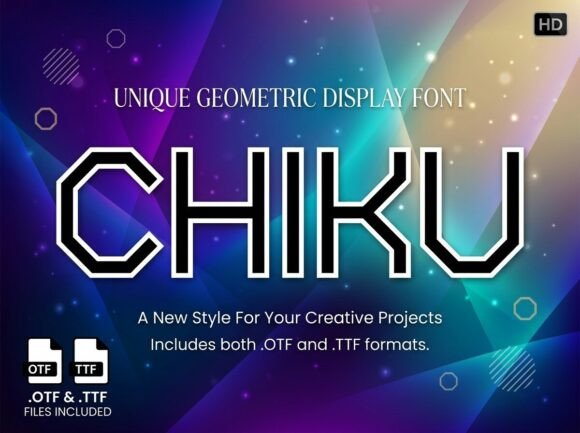
When you first open the Chiku font family, you notice immediately that it isn’t just another sans serif; it is a sleek display typeface that captures a minimalist-and-mathematical soul. This visual precision is exactly what elevates handmade goods from "craft fair cute" to "high-end boutique." I tested Chiku on matte black sticker sheets for my candle jars, using the thinnest weights available. The high-contrast letterforms characterized by rhythmic, octagonal curves created a stunning silhouette against the dark background. Because the font relies on negative space and clean lines, it remains legible even at small sizes, which is critical for ingredient lists and net weight declarations on packaging design.
The geometric nature of Chiku allows it to sit beautifully alongside simple botanical illustrations or abstract line art. It doesn’t compete with the image; it frames it. For sellers who focus on clean, Scandinavian-inspired aesthetics, this font provides an instant upgrade in perceived value. It feels premium because it respects structure. When customers see typography that is balanced and deliberate, they subconsciously associate that care with the quality of the product inside the box.
Chiku in Wedding Invitations and Elegant Stationery Design
Stationery designers know that elegance often lies in restraint. I used Chiku to draft a mockup for a modern wedding invitation suite, pairing the main title with a delicate script font for the details. The contrast between the rigid, mathematical structure of Chiku and the fluidity of a handwritten font creates a dynamic tension that feels contemporary and chic. The thin, high-contrast letterforms add a touch of editorial sophistication that standard fonts simply cannot replicate.
For digital downloads and printable planners, Chiku serves as an excellent anchor for headers. Whether you are creating a weekly planner cover or a decorative wall art print, the font’s unique character set adds visual interest without cluttering the layout. I found that using Chiku for short phrases like "Breathe," "Create," or "Gather" allowed the individual glyphs to shine. However, for longer body text on invitations, I recommend sticking to a more traditional serif or sans serif font to ensure readability, reserving Chiku for titles and key focal points.
Chiku for Cricut Projects and Physical Merchandise
As a crafter who frequently uses cutting machines like Cricut and Silhouette, I pay close attention to how vector paths behave. Chiku’s geometric construction makes it incredibly clean to cut. I tested it on vinyl decals for mugs and tote bags, and the sharp angles held their shape perfectly. The font’s distinctive octagonal influences give it a futuristic edge that stands out in a sea of generic bubble or brush script fonts.
One practical tip for makers: because Chiku features thin strokes, it may not be ideal for very small cuts or intricate details where material stability is a concern. For tiny stickers or detailed embroidery transfers, consider using the bolder weights if available, or simplify your design elements. However, for larger formats like farmhouse signs, wooden crates, or large tote bag prints, Chiku delivers a bold, graphic statement. It transforms simple materials into branded assets. When designing merchandise, consistency is key, and Chiku’s strong identity helps establish a recognizable brand voice across different product types.
Chiku for Digital Downloads and Social Media Graphics
In the world of digital products, first impressions happen in milliseconds. Chiku is perfect for thumbnail images, listing previews, and social media graphics where you need to grab attention quickly. Its modern typography style communicates professionalism and trend-awareness instantly. I used it to create a series of Instagram templates for a home decor shop, and the engagement rates improved noticeably compared to previous designs using more common fonts.
The versatility of Chiku extends to its file formats and potential ligatures or swashes, depending on the specific package you purchase. Always check the included styles before designing. If the font includes alternate characters or special ligatures, use them sparingly to add flair to logos or logo design projects. For web design and email newsletters, Chiku works well as a header font, guiding the eye through the content hierarchy. Just remember that while it is a stunning creative font for display purposes, it should never be used for dense paragraphs of text due to its decorative nature.
Font Pairing and Commercial Licensing Considerations
To get the most out of Chiku, thoughtful font pairing is essential. It pairs exceptionally well with clean sans serif fonts for body copy, providing a neutral base that lets the display font take center stage. You might also experiment with combining it with a soft script font to balance the mathematical rigidity with organic warmth. This combination is particularly effective for branding identities that want to feel both structured and approachable.
Before you start selling physical products or digital templates featuring Chiku, please review the commercial font licensing agreement carefully. Most premium fonts require a separate license for commercial use, especially if you are distributing the font files themselves or using them on unlimited merchandise items. Understanding these terms protects your business and ensures you are supporting the type designer appropriately. By integrating Chiku into your workflow with these considerations in mind, you can elevate your entire portfolio, ensuring that every label, card, and digital asset reflects a cohesive, high-quality aesthetic.