Superhuman Typeface: A Marker-Style Display Font for Modern Branding
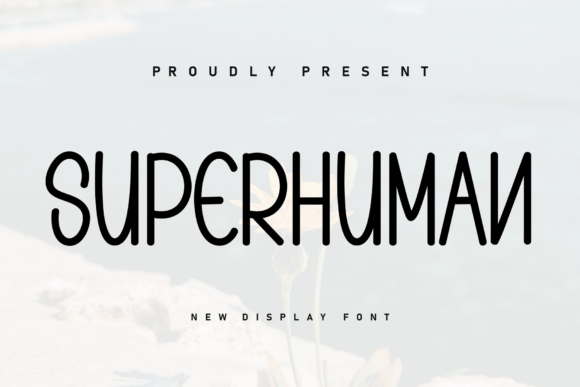
I opened a blank Figma file and stared at the white canvas. The client wanted a brand identity that felt effortless, approachable, and undeniably human, but they didn’t want it to look like every other trendy boutique using standard sans-serifs. They needed something with texture, something that felt drawn by hand but held up under professional scrutiny. That’s when I pulled Superhuman from my library. It is a handwritten font that looks like it was drawn with a marker, giving it an immediate sense of authenticity and energy. As I typed out the first draft of their logo, I realized this wasn’t just another decorative typeface; it was a strategic design asset.
Having a relaxed and sporty feel, it is very suitable for branding, logos, wedding supplies, greeting cards, fashion, lookbooks, and any project that demands personality without sacrificing readability. In this article, I’ll walk you through how I integrated this display font into a real-world visual identity project, exploring its strengths, limitations, and the practical tips I learned along the way.
Why Superhuman Works for Logo Design and Brand Identity
When starting a new brand identity, the logo is the anchor. Most designers reach for geometric sans-serifs or elegant serifs, but those choices often lack the "handmade" warmth that consumers crave today. Superhuman fills that gap perfectly. Its marker-style strokes mimic the natural variation of a real pen on paper, which instantly communicates creativity and craftsmanship.
In my recent project for a local artisanal skincare line, the goal was to make the product feel organic and unpretentious. Using Superhuman as the primary logotype allowed us to create a mark that felt personal yet polished. Because it is classified as a Display font, it commands attention. It works best when used sparingly for headlines, names, and short phrases rather than body text. The thick, confident strokes of the letters provide excellent visual hierarchy, ensuring the brand name pops against packaging backgrounds, social media avatars, and storefront signage.
The versatility of this font means it bridges the gap between casual and premium. It doesn’t look sloppy; it looks intentional. This distinction is crucial for high-end markets like fashion and luxury goods, where "relaxed" shouldn't mean "cheap." By leveraging the unique character shapes of Superhuman, we established a brand voice that felt friendly but authoritative.
Using Superhuman for Wedding Supplies and Greeting Cards
One of the most surprising applications I found for this typeface was in stationery design. While many assume handwritten fonts are only for casual invitations, the precision of Superhuman makes it viable for more formal contexts as well. Having a relaxed and sporty feel, it is very suitable for wedding supplies, greeting cards, and event branding where a touch of whimsy is desired.
I tested the font on several mockups for a couple who wanted a modern, non-traditional wedding aesthetic. We paired the bold weight of Superhuman for the main invitation headers with a delicate script for the details. The contrast created a dynamic layout that felt contemporary and fresh. The marker effect adds a layer of texture that digital printing can replicate beautifully, giving physical invites a tactile quality that resonates with guests.
For greeting cards, the font’s expressive nature allows designers to convey emotion quickly. Whether it’s a birthday card, a thank-you note, or a holiday message, Superhuman brings a sense of immediacy and warmth. It mimics the act of writing a personal note, which increases engagement and emotional connection. When designing these assets, I recommend keeping the background clean to let the letterforms breathe, ensuring the message remains legible and impactful.
Integrating Superhuman into Fashion and Lookbook Layouts
Fashion brands thrive on visual storytelling, and typography plays a pivotal role in defining that narrative. In a recent lookbook project for an emerging streetwear label, we needed a font that could handle bold statements and editorial layouts simultaneously. Superhuman proved to be an ideal choice. Its sporty vibe aligns perfectly with urban aesthetics, while its handwritten quality prevents the design from feeling too corporate or rigid.
We used the font for large-scale pull quotes, campaign slogans, and section dividers within the lookbook. The key here was scale. As a display font, Superhuman shines when enlarged. We placed it diagonally across model shots and overlaid it on textured backgrounds to create depth. The marker-style edges interacted interestingly with photography, adding a layer of artistic flair that enhanced the overall composition.
This application demonstrates why Superhuman is not just a novelty font but a serious tool for creative directors. It helps establish a distinct visual language that differentiates a brand in a crowded marketplace. Whether you are designing for a clothing tag, a billboard, or a digital ad, the font’s strong presence ensures your message is seen and remembered.
Practical Tips for Pairing and Implementation
While Superhuman is powerful on its own, effective typography often relies on thoughtful pairing. For body text or secondary information, I recommend combining it with a clean, neutral sans-serif font. This creates a balance between the expressive headline and the functional supporting text. Avoid pairing it with other handwritten or script fonts, as this can create visual clutter and reduce readability.
Before committing to Superhuman for a full brand system, I always advise testing it extensively. Create mockups for business cards, website headers, and product labels to see how the font behaves in different contexts. Check the included styles, alternates, and ligatures if available, as these small details can significantly enhance the final design. Ensure the file formats are compatible with your preferred design software and that the commercial license covers your intended use cases.
Readability is paramount. Even though it is a creative font, it must remain legible at various sizes. Test it in small caps for subtitles and in large formats for hero banners. Pay attention to kerning and spacing; the marker style can sometimes create optical illusions if letters are too close together. Adjusting tracking slightly can improve clarity without losing the hand-drawn charm.
Final Recommendations for Creative Professionals
If you are looking to add a human touch to your projects, Superhuman offers a compelling solution. It is more than just a font; it is a stylistic decision that communicates authenticity and approachability. From branding and logos to wedding supplies and fashion lookbooks, its adaptability makes it a valuable addition to any designer’s toolkit.
Remember to use it strategically. Let it lead in areas where you want to evoke emotion and connection, and support it with simpler typefaces for clarity. By understanding its characteristics and applying it with intention, you can create designs that stand out and resonate with your audience. Whether you are a freelance graphic designer, a creative studio, or a small business owner, investing in a high-quality display font like Superhuman can elevate your visual identity and help you tell your story more effectively.