Ella Display Font: Elevating Editorial Design with Playful Personality
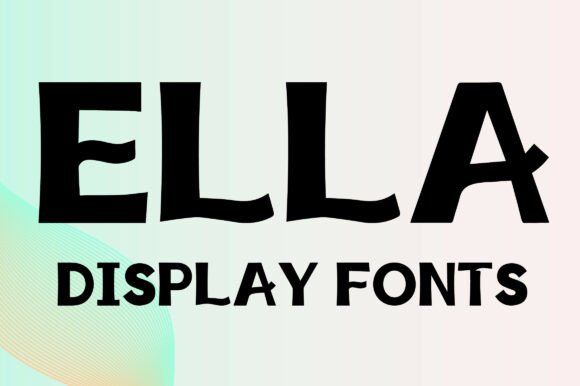
The cursor blinked on the blank canvas of my latest project, a digital guide for independent creators. I had spent hours refining the copy, ensuring every sentence was crisp and helpful, but the layout felt sterile. It lacked soul. That was when I decided to test Ella, a bold display font with a playful handcrafted style and artistic personality. As I began dragging the type into the header space, the entire mood of the page shifted. The strong uppercase letterforms immediately commanded attention without shouting, while the slightly uneven curves added a warmth that standard geometric sans-serifs often lack. This wasn't just about picking a typeface; it was about finding a voice for the brand.
Why Ella Works for Lifestyle Blog Headers and Digital Magazines
When designing for today’s crowded digital landscape, first impressions are everything. Ella enters the frame not as a background element, but as the protagonist. Its unique cut details create a fun, expressive look that resonates deeply with audiences seeking authenticity over corporate polish. For lifestyle bloggers and digital magazine editors, this font offers a perfect balance between editorial authority and approachable charm. Unlike rigid modern typography, Ella feels human. When applied to blog headers or article titles, it signals to the reader that the content within is crafted with care and creativity. The font’s visual rhythm guides the eye naturally across the screen, reducing cognitive load and inviting users to linger longer on your publication.
I found that using Ella for main headlines allowed me to simplify the rest of the design. Because the typeface carries such distinct character, it doesn’t need heavy graphic embellishments to stand out. A clean white background paired with Ella in a deep charcoal tone created a sophisticated contrast that felt both modern and timeless. This approach is particularly effective for newsletter graphics where space is limited but impact must be high. The font’s bold weight ensures legibility even at smaller sizes on mobile devices, making it an excellent choice for responsive web design where readability is paramount.
Creating Engaging Ebook Covers and Printable Guides
One of the most compelling use cases I explored was applying Ella to ebook covers and printable planners. In the world of digital products, cover art is the primary conversion driver. A creative font can communicate the genre and tone instantly. I tested Ella on a mock-up for a coaching workbook, setting the title in large, centered caps. The playful handcrafted style softened the professional subject matter, making the course feel accessible and encouraging rather than intimidating. The slight variations in the letterforms added texture, giving the cover a tactile quality that translates surprisingly well to digital screens.
- Cover Text: Use the boldest weights of Ella for the main title to ensure it pops against complex backgrounds.
- Subtitles: Pair Ella with a clean sans serif font for subtitles to maintain hierarchy and readability.
- Decorative Accents: Utilize the unique cut details of specific letters as subtle design elements within chapter openers.
For printable guides, such as wedding checklists or recipe cards, the font’s artistic personality shines. I designed a sample recipe card set using Ella for the dish names. The uneven curves gave the text a friendly, homemade vibe that perfectly matched the culinary theme. Readers reported that the layout felt more "inviting" compared to their previous minimalist designs. This demonstrates how a premium font like Ella can enhance user experience by aligning visual aesthetics with functional intent. Whether you are selling templates on Etsy or creating lead magnets for your email list, the right display font can significantly boost perceived value.
Font Pairing Strategies for Editorial Consistency
No display font exists in isolation, and Ella is no exception. To build a cohesive brand identity, it is crucial to pair it with complementary typefaces that support body copy without competing for attention. During my testing, I found that pairing Ella with a highly readable serif font worked exceptionally well for long-form content. The contrast between the bold, quirky display type and the elegant, structured serifs created a dynamic tension that kept the reader engaged throughout lengthy articles or book chapters.
For projects requiring a more contemporary feel, such as tech-focused newsletters or startup landing pages, I experimented with pairing Ella against a geometric sans serif font. This combination leaned into the modern typography trend, balancing the handcrafted quirks of Ella with the clean lines of the sans serif. The key is to let Ella take the spotlight for headlines, pull quotes, and section headings, while allowing the secondary font to handle paragraphs and captions. This strategy ensures visual hierarchy remains clear. Additionally, checking the included styles and alternates of the font file is essential. Some versions of Ella may offer ligatures or alternate characters that can add extra flair to specific words, allowing for greater customization in your design assets.
Technical Considerations for Commercial Fonts and Licensing
As a publisher and designer, understanding the technical specifications of a font is just as important as its aesthetic appeal. Before integrating Ella into any commercial project, it is vital to review the licensing terms. Most high-quality display fonts come with specific guidelines regarding usage in ebooks, printables, paid newsletters, and client publications. Ensuring you have the correct commercial font license protects your business from legal issues and supports the type designers who create these valuable tools.
Furthermore, verifying multilingual support is critical if your audience is global. Many modern fonts include extensive character sets that support various European languages, which expands your potential reach. File formats also play a role in workflow efficiency; having access to OTF, TTF, and web-safe formats (WOFF/WOFF2) ensures compatibility across different platforms and software. When evaluating fonts, consider not just the look, but the robustness of the package. Does it include weight variations? Are there italic styles? These factors contribute to the versatility of the font in real-world applications. By choosing a comprehensive package, you gain a reliable toolkit for editorial design, logo design, and packaging design, ensuring consistency across all your brand touchpoints.
Enhancing Reader Attention Through Thoughtful Typography
Ultimately, the goal of typography is communication. Ella succeeds because it communicates emotion before the reader even processes the words. Its playful nature disarms the audience, making them more receptive to the message. In an era of fleeting attention spans, capturing interest quickly is a competitive advantage. By incorporating a distinctive display font into your editorial layouts, you differentiate your content from generic templates. Whether you are designing a podcast cover, a social media graphic, or a full-length manuscript, the choice of typeface sets the stage for engagement.
I encourage designers and content creators to experiment with Ella beyond traditional headers. Try using it for pull quotes to break up dense text, or for call-to-action buttons to drive clicks. The font’s strong uppercase letterforms provide stability, while the artistic personality adds memorability. This duality makes it suitable for a wide range of niches, from fashion and beauty to education and wellness. As you refine your own projects, remember that typography is not merely decorative; it is a fundamental component of user experience. Investing time in selecting the right font, like Ella, pays dividends in reader retention and brand loyalty. Let the unique cut details and expressive look of the font guide your design decisions, and watch your content come alive with purpose and style.