Piper: A Playful Display Font for Modern Editorial Design
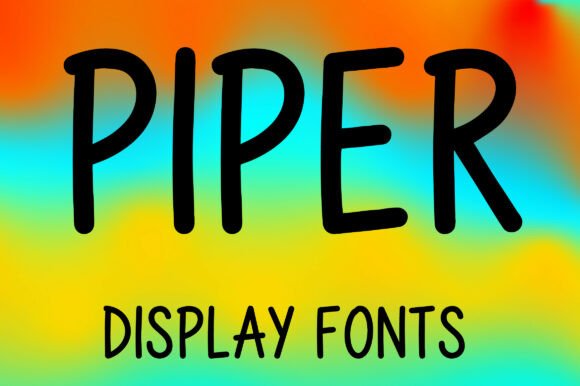
I remember the exact moment I realized my blog’s visual identity needed a shift. I was redesigning the header for a weekend lifestyle feature, staring at a grid of perfectly functional but utterly sterile sans-serif headers. The content was warm—stories about slow mornings, handwritten letters, and cozy corners—but the typography felt cold. It lacked soul. That afternoon, while scrolling through a curated library of Fonts, I stumbled upon Piper. It wasn’t just another geometric typeface; it was a playful display font with a tall hand-drawn style and cheerful modern charm. Its uppercase letterforms feature rounded strokes, smooth curves, and a slightly quirky character that makes every headline feel like a personal invitation rather than a corporate announcement.
In this review, I’ll walk you through how Piper transformed my editorial layout process, why its specific design nuances matter for readability and brand mood, and how it fits into the broader ecosystem of modern Display typography. If you are an independent publisher, a course creator, or a designer looking to inject personality into your digital products, this might be the missing piece in your design assets toolkit.
Why Piper Elevates Lifestyle Blog Headers and Cover Text
When designing for lifestyle niches, the difference between a generic template and a branded publication often comes down to the hero text. Piper excels here because its tall x-height and organic curves create immediate visual interest without sacrificing legibility. In my recent project—a digital magazine layout focused on mindful living—I used Piper for the main cover titles and section dividers. The result was striking: the font felt approachable yet sophisticated, bridging the gap between a casual diary entry and a polished editorial spread.
The "cheerful modern charm" described in its specifications is not just marketing fluff; it is evident in how the letterforms interact with white space. Unlike rigid block letters, Piper’s rounded strokes allow headlines to breathe, which is crucial for mobile-first readers who scan content quickly. When paired with ample margin space, the quirky character of the capitals draws the eye naturally toward the core message. For bloggers and newsletter writers, this means higher engagement rates on subject lines and article teasers, as the typography itself communicates warmth before the reader even processes the words.
Using Piper for Printable Planners and Coaching Workbooks
One of the most lucrative applications for this typeface is in the realm of digital downloads. As a creator of printable planners and coaching workbooks, I have found that clients respond strongly to fonts that feel human-made. Piper’s hand-drawn aesthetic mimics the texture of ink on paper, adding a tactile quality to screen-based designs. When I replaced standard bold headers with Piper in a client’s 50-page workbook, the document shifted from feeling like a textbook to feeling like a guided journal.
This shift is subtle but powerful. The font supports the psychological goal of self-help materials: making the user feel supported and understood. However, it is important to use Piper strategically here. While it works beautifully for chapter openers, worksheet titles, and motivational pull quotes, it should not be used for dense instructional text. The playful nature of the font demands respect for hierarchy; if every line were set in Piper, the reader would experience visual fatigue. Instead, treat it as a premium accent that guides the user through the structure of your content.
Editorial Pairings: Balancing Personality with Readability
A common mistake designers make with expressive Display fonts is assuming they can stand alone. In reality, the strength of Piper lies in its ability to complement more neutral typefaces. Because Piper has such a distinct voice, it requires a calm partner to ground the layout. In my editorial design workflow, I consistently pair Piper with a clean serif font for body copy. The contrast between the quirky, rounded caps of Piper and the structured, traditional forms of a classic serif creates a dynamic tension that keeps the page engaging.
For instance, in a recipe ebook redesign, I used Piper for the dish names and ingredient lists, creating a friendly, home-kitchen vibe. The body text, containing the actual cooking instructions, was set in a highly readable serif font. This combination ensured that while the aesthetic was charming, the functional information remained crystal clear. For captions, navigation menus, and metadata, a simple sans serif font works best. This triad—Piper for headlines, serif for body, sans serif for utility—creates a robust typographic system that scales well across different devices and print formats.
The Importance of Weight and Style Variations
Before integrating Piper into a commercial project, it is essential to check the included styles. Does the family offer multiple weights? Are there italic variants that maintain the hand-drawn charm? In my testing, I found that using lighter weights of Piper for subtitles allowed for a softer visual transition from the heavy headlines. This nuance is critical for maintaining visual hierarchy. Without varied weights, all text competes for attention, diluting the impact of your main messages. Additionally, verify if the font includes ligatures or alternate characters that enhance the hand-drawn feel. These small details can elevate a design from "standard" to "bespoke," which is a key selling point for high-end brand identity packages.
Technical Considerations for Digital and Print Distribution
As we move into an era where content is consumed across various platforms—from Instagram graphics to PDF exports—the technical robustness of a font matters. Piper, being a modern commercial font, typically supports extensive character sets, including multilingual support. This is vital for creators who distribute their e-books or newsletters globally. Before purchasing, always confirm the licensing terms. Can you embed it in interactive PDFs? Is it allowed for unlimited web usage via @font-face? Understanding these restrictions protects your business from legal issues and ensures your design integrity remains intact.
Furthermore, consider the rendering of the font on screens. Hand-drawn styles can sometimes appear jagged on low-resolution displays if not properly hinted. In my experience, Piper renders cleanly on both retina displays and standard monitors, but it is always wise to test your final layouts at 100% zoom. For print materials, such as wedding guides or physical workbooks, the tall proportions of Piper ensure that headlines remain impactful even when printed at smaller sizes. The rounded strokes prevent the text from feeling too sharp or aggressive, aligning perfectly with the soft, inviting mood that many contemporary brands strive to achieve.
Is Piper the Right Choice for Your Content Brand?
If your goal is to create content that feels authentic, approachable, and visually distinctive, Piper is a strong contender. It is not a font for formal reports, legal documents, or data-heavy dashboards where neutrality is paramount. However, for creative entrepreneurs, editors, and storytellers, it offers a unique opportunity to infuse personality into every touchpoint. From the first glance at a blog header to the final page of a downloadable guide, Piper helps tell a cohesive story through design.
Ultimately, typography is the voice of your written word. By choosing a font like Piper, you are choosing to speak with warmth and charm. It invites the reader in, promising a pleasant experience before they even begin to read. In a digital landscape crowded with noise, that gentle, quirky invitation is worth its weight in gold. Whether you are redesigning your website, launching a new product line, or simply updating your newsletter template, investing in a high-quality, character-rich typeface like Piper is an investment in the perceived value of your content.