Funny Cute Bold Typeface Review for Playful Editorial Design
I was staring at a blank Canva canvas last Tuesday, trying to finalize the cover for a digital wellness workbook, when I realized my usual go-to sans serif felt too sterile. The project needed warmth, approachability, and a touch of whimsy without sacrificing professional polish. That is exactly when I pulled up Funny Cute Bold. It wasn’t just another decorative typeface; it felt like a deliberate editorial choice that could anchor a brand identity while inviting the reader in. If you are a publisher, blogger, or designer looking to inject personality into your content structure, this display font deserves a closer look.
Why Funny Cute Bold Elevates Blog Headers and Digital Magazine Covers
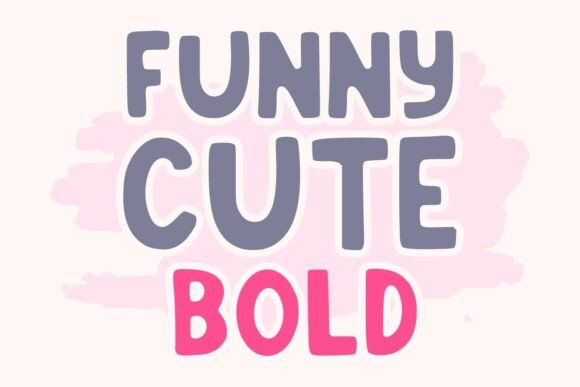
The first thing you notice about Funny Cute Bold is its immediate visual rhythm. As a display font, it commands attention, but unlike many aggressive modern typefaces, it does so with a gentle hand. The rounded shapes and bold strokes create a friendly style that softens the reading experience before the user even begins to read the body copy. In my recent test layout for a lifestyle blog redesign, I used this font for the main article titles and section headers. The result was a cohesive editorial mood that felt both curated and casual.
When designing for digital platforms, visual hierarchy is critical. This Fonts family provides excellent contrast against lighter body text, making it ideal for pull quotes, chapter openers, and hero images. The playful nature of the letterforms helps break up dense blocks of text, guiding the eye naturally through the content flow. For newsletter writers and independent content brands, using Funny Cute Bold in your header graphics can significantly increase click-through rates by creating a distinct, recognizable brand signature. It signals to the reader that the content inside is engaging, accessible, and human-centric.
Funny Cute Bold for Printable Planners and Coaching Workbooks
One of the most lucrative niches for designers today is digital products, specifically printable planners and coaching workbooks. These materials require a balance of fun and functionality. A purely serious font can make a planner feel like a tax document, while a chaotic script can be difficult to navigate quickly. Funny Cute Bold hits the sweet spot. Its legibility remains high even at smaller sizes, which is crucial for worksheet fields and instruction text within a workbook layout.
I tested this typeface in a sample wedding guide layout, pairing it with clean lines and ample white space. The rounded edges of the letters mirrored the softness often associated with wedding aesthetics, yet the bold weight ensured that important dates and locations stood out clearly. For creators selling on platforms like Etsy or Gumroad, having a unique, proprietary-looking header font can elevate the perceived value of your product. It transforms a simple PDF into a branded experience. When buyers see consistent, thoughtful typography throughout their download, they perceive higher quality and trustworthiness in your design assets.
Pairing Strategies: Balancing Display Fonts with Readable Serifs
No matter how charming a premium font is, it rarely works well as body copy. Funny Cute Bold is designed for impact, not endurance. To maintain readability across long-form content, such as an ebook or a detailed course module, effective font pairing is essential. I found that pairing this display font with a classic serif font created a beautiful tension between tradition and modern playfulness. The serif grounds the layout, providing a stable foundation for paragraphs, while Funny Cute Bold adds character to headings.
Alternatively, for a more contemporary tech or startup vibe, pairing it with a geometric sans serif font works beautifully. The clean lines of the sans serif complement the rounded curves of the display font without competing for attention. This combination is particularly effective for social media graphics and web design elements where space is limited. By establishing a clear typographic scale—using Funny Cute Bold for H1s and H2s, and a neutral sans serif for H3s and body text—you create a predictable structure that aids comprehension. This structural consistency is vital for editorial design, ensuring that your audience focuses on your message rather than struggling with your layout.
Practical Considerations for Commercial Font Licensing and Formats
Before integrating Funny Cute Bold into client publications or paid newsletters, it is crucial to review the technical specifications and licensing terms. High-quality modern typography usually comes with a robust set of features, including multiple weights, alternates, and ligatures. Checking these details ensures you have the flexibility to tweak the design for different contexts. For instance, some display fonts include special characters or emoji-like glyphs that can add extra flair to social media posts or email subject lines.
Furthermore, verify the file formats included. Most professional packages offer OTF, TTF, and sometimes WOFF/WOFF2 files for web use. If you are embedding the font in interactive PDFs or HTML emails, web-safe versions are necessary to ensure cross-platform compatibility. Always confirm that your license allows for commercial use, especially if you are producing templates, printables, or digital downloads for sale. Understanding these practical aspects protects your work and ensures that the brand identity you build remains consistent and legally sound across all channels.
Is Funny Cute Bold Right for Your Next Content Project?
In conclusion, Funny Cute Bold is more than just a pretty typeface; it is a strategic tool for enhancing engagement and reinforcing brand personality. Whether you are redesigning a recipe ebook, launching a new digital magazine, or creating a series of motivational posters, this creative font offers the versatility needed to stand out in a crowded digital landscape. Its ability to convey cheerfulness and confidence makes it an excellent choice for any creator who wants their content to feel welcoming and memorable. By thoughtfully applying this display font within a structured editorial framework, you can elevate your projects from simple documents to polished, professional experiences.