Morvane Display Typeface Review for Editorial Design
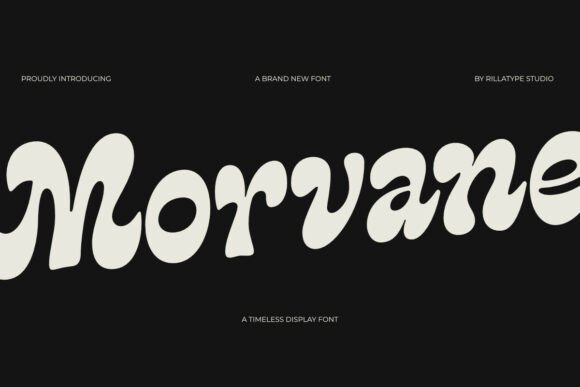
I was sitting at my desk last Tuesday, staring at a blank InDesign file for a digital magazine feature on mid-century modern interiors. The layout was clean, the photography was stunning, but the typography felt flat. It lacked that specific spark of personality that turns a simple article into an immersive experience. I needed a font that could command attention without shouting, something that whispered sophistication rather than screaming for clicks. That is when I pulled up Morvane. Step into a world of retro sophistication with Morvane, a stunning display typeface that captures a groovy-and-glamorous soul. This font features massive, high-contrast letterforms uniquely characteri-zed by their fluid curves and dramatic weight shifts, making it an instant mood-setter for any editorial project.
Morvane as a Cover Font for Digital Magazines and Lifestyle Blogs
The first thing you notice about Morvane is its sheer presence. When used as a cover font for digital magazines or lifestyle blogs, it immediately establishes a tone of elegance mixed with playful nostalgia. Unlike generic serif fonts that can feel stiff or corporate, this display font carries a rhythm that feels alive. I tested it on a header for a blog post about vintage fashion, and the high-contrast strokes caught the eye instantly. The letterforms are not just static shapes; they have a slight sway to them, reminiscent of 1970s graphic design but refined for modern screens. For bloggers and publishers looking to build a distinct publication identity, using such a creative font for main titles helps separate your content from the sea of uniform sans-serif templates. It signals to the reader that the content inside is curated, stylish, and intentional.
Morvane for Recipe Ebook Titles and Culinary Branding
One of the most surprising applications I found for Morvane was in a recipe ebook layout. Usually, food blogs rely on heavy, blocky sans serifs or delicate scripts, but there is a gap in the market for something that feels both gourmet and fun. Because this font features massive, high-contrast letterforms, it works beautifully for chapter openers and section headers within a cookbook. I paired it with a clean sans serif font for the actual ingredient lists and instructions, creating a visual hierarchy that guides the reader’s eye naturally. The groovy-and-glamorous soul of the typeface adds warmth to the page, making the recipes feel more inviting. For creators selling digital downloads or printable planners, using a premium font like Morvane for the title page elevates the perceived value of the product significantly. It transforms a simple PDF into a branded asset that customers want to keep.
Morvane in Newsletter Graphics and Social Media Headers
In the crowded space of creator newsletters, grabbing attention in the inbox is half the battle. While body text needs to be legible and unobtrusive, the subject line preview image or the top banner of your email template can afford to be expressive. I used Morvane to create a custom header graphic for a weekly design tips newsletter. The font’s unique character allowed me to use minimal imagery, letting the typography itself serve as the focal point. When designing social media graphics or promotional banners, a display font like this ensures that your message stands out even at small sizes. The contrast between the thick and thin strokes remains readable on mobile devices, which is crucial given how many users consume content on phones. By integrating such fonts into your daily brand identity, you create a consistent visual language that becomes recognizable over time, fostering trust and engagement with your audience.
Morvane for Wedding Invitations and Elegant Event Branding
While often categorized under modern typography, Morvane bridges the gap between contemporary design and timeless romance. For wedding guides or event branding, the "groovy" aspect of the font softens the formality, making it perfect for couples who want a chic but relaxed aesthetic. I reviewed its performance in a mock-up for a wedding invitation suite, where it was used for the couple’s names and the event date. The high-contrast letterforms mimic the elegance of classic Didones but with a twist that feels fresh and current. It avoids the cliché of overly ornate script fonts, offering a cleaner, more sophisticated alternative. For independent designers working on client publications or packaging design, having access to a versatile typeface that can handle both bold statements and subtle accents is invaluable. The font’s ability to convey luxury without being stuffy makes it a strong candidate for high-end branding projects.
Readability Considerations and Practical Pairings
It is important to remember that Morvane is a display font, meaning it is designed to be seen, not read in bulk. Using it for body copy, dense paragraphs, or small captions would compromise readability and fatigue the reader. Its strength lies in short bursts of text: pull quotes, section headings, subheadings, and decorative accents. To maintain a balanced editorial layout, I recommend pairing Morvane with a highly legible serif font for long-form reading or a neutral sans serif font for navigation and metadata. This combination allows the display font to shine as the hero while ensuring the content remains accessible. Before incorporating Morvane into your workflow, always check the included styles, alternates, and ligatures to maximize its potential. Ensure you have the correct commercial font licensing if you plan to use it in paid newsletters, client publications, or digital downloads. By respecting the limitations of the typeface and leveraging its strengths, you can create layouts that are not only visually striking but also structurally sound and reader-friendly.