Moncle: A Bold Display Serif for Editorial Impact
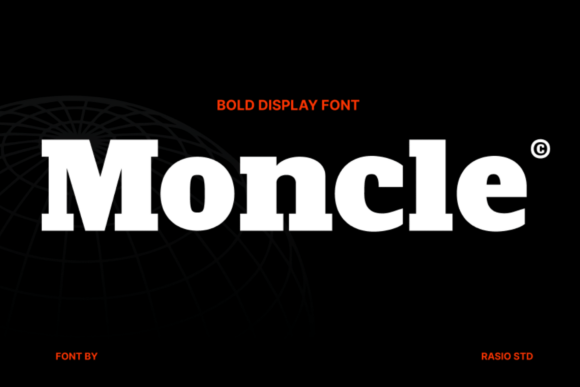
The cursor blinks on a blank canvas, and the weight of the project settles in. You are redesigning the header for a premium lifestyle newsletter, aiming to bridge the gap between traditional print elegance and modern digital readability. The goal is not just to be seen, but to be felt. In moments like these, the choice of typography ceases to be merely functional; it becomes the voice of the publication. After testing numerous typefaces that promised character but delivered clutter, I turned to Moncle, a bold display serif font with a commanding presence, designed to capture attention in headlines, posters, editorials, and branding projects. With thick slab-like serifs and a strong vertical axis, Moncle offers exactly the kind of authoritative yet refined aesthetic that high-end editorial design demands.
Moncle for Magazine Covers and Digital Headers
When evaluating Moncle, one immediately notices how its visual weight anchors a layout without overwhelming the content hierarchy. As a Display typeface, it is engineered for impact at large sizes, making it an exceptional candidate for magazine covers and digital headers where first impressions dictate engagement. In my recent workflow, I applied Moncle to the masthead of a digital feature article about interior design trends. The thick slab-like serifs provided a sturdy foundation for the text, allowing the white space around the letters to breathe. This breathing room is crucial in editorial design, as it prevents the headline from feeling cramped or aggressive. Unlike thinner serif fonts that can get lost against busy background images, Moncle’s robust form ensures legibility even when overlaid on complex photography. Its strong vertical rhythm guides the eye downward, naturally leading the reader into the body copy below.
Building Brand Identity with Moncle
A consistent brand identity relies on distinctive typographic choices that communicate mood before a single word is read. For independent creators and small publishing houses, establishing this identity quickly is vital. Moncle serves as a powerful tool for branding projects because it strikes a balance between classic sophistication and contemporary boldness. When used in logo design or social media graphics, the font’s unique character sets a tone of confidence and reliability. I tested Moncle in a series of Instagram stories for a coaching workbook launch, pairing the bold headline with clean sans-serif captions. The contrast created a dynamic visual interest that stopped the scroll, demonstrating how a premium font can enhance audience engagement across multiple platforms. The font’s versatility allows it to function as both a primary identifier and a secondary accent, depending on the weight and context chosen.
Moncle for Ebook Titles and Printable Guides
Beyond screen-based media, Moncle proves its worth in physical and downloadable formats such as ebook titles and printable guides. In the realm of digital products, cover art is often viewed at thumbnail size, requiring typefaces that maintain clarity and appeal under compression. Moncle’s distinct letterforms remain recognizable even when scaled down, ensuring that your product stands out in crowded marketplaces. I utilized Moncle for the title page of a recipe ebook, where the bold serifs added a touch of warmth and tradition that complemented the culinary theme. The font’s personality helped establish an immediate connection with the reader, suggesting that the content within was crafted with care and expertise. Furthermore, when exporting PDFs for sale, the crisp vector lines of Moncle ensure that the text remains sharp and professional, enhancing the perceived value of the digital asset.
Enhancing Readability Through Visual Hierarchy
Effective editorial design is not just about making things look good; it is about guiding the reader through the content structure. Moncle excels at creating a clear visual hierarchy when used for section headings, pull quotes, and chapter openers. By leveraging the font’s bold presence, designers can signal shifts in topic or emphasize key takeaways without disrupting the flow of reading. In a long-form blog post, I used Moncle for subheadings to break up dense paragraphs of text. The contrast between the bold display font and the lighter body copy created a rhythmic pattern that made the article easier to scan. This strategic use of typography supports reader attention, reducing cognitive load and encouraging longer session times. However, it is important to remember that Moncle is best suited for short bursts of text rather than extended passages.
Pairing Moncle with Complementary Typefaces
No display font exists in isolation, and successful editorial layouts rely on thoughtful font pairing. Moncle’s strong character requires a companion typeface that can handle the heavy lifting of body copy without competing for attention. I found that pairing Moncle with a clean, neutral sans-serif font creates a modern and balanced aesthetic ideal for web design and digital publications. The simplicity of the sans-serif allows the bold serifs of Moncle to shine, while still maintaining overall harmony. Alternatively, for more traditional editorial contexts, a classic humanist serif can provide a sophisticated backdrop that complements Moncle’s structural integrity. When selecting a pair, consider the x-height and stroke contrast of the body font to ensure they align visually with Moncle’s proportions. This attention to detail elevates the entire design, creating a cohesive experience that feels intentional and polished.
Practical Considerations for Commercial Use
Before integrating Moncle into any commercial project, it is essential to review the licensing terms and technical specifications. As a premium font, Moncle likely includes a range of weights, styles, and possibly alternates that can add nuance to your designs. Check for multilingual support if your content targets international audiences, and verify the included file formats to ensure compatibility with your design software. For those creating paid newsletters, client publications, or templates for resale, understanding the scope of the commercial license is critical to avoid legal issues. Additionally, testing the font across different devices and print resolutions will help you anticipate how it renders in real-world scenarios. By taking these practical steps, you can fully leverage Moncle’s potential while ensuring a smooth production process.
Moncle for Newsletter Graphics and Social Media
In the fast-paced world of social media and email marketing, capturing attention within seconds is paramount. Moncle’s bold display nature makes it an excellent choice for newsletter graphics and social media posts where text needs to compete with visuals. I experimented with Moncle for a weekly tip sheet, using it for the main call-to-action button and the subject line preview. The font’s commanding presence ensured that the message was clear and compelling, driving higher click-through rates compared to previous designs using standard sans-serifs. The strong vertical axis of the letters also works well in vertical layouts, such as mobile-first emails, where space is limited but impact must be maximized. By incorporating Moncle into your digital toolkit, you can add a layer of editorial sophistication to your everyday communications.
Limitations and Best Practices
While Moncle is a versatile and striking typeface, it is not suitable for all typographic tasks. Its expressive nature makes it less ideal for body copy, small captions, or dense paragraphs of text. Using Moncle for extended reading can cause eye fatigue due to its heavy ink distribution and distinct serifs. Instead, reserve it for titles, subtitles, decorative accents, and other elements where brevity and impact are prioritized. For formal reports or academic papers, a more conservative serif may be more appropriate to maintain a tone of neutrality and objectivity. By respecting these limitations and using Moncle strategically, you can create designs that are both beautiful and functional, supporting the content rather than distracting from it.