Yareli: A Bold Display Font for Modern Editorial Design
I was sitting at my desk last Tuesday, staring at a blank Canva canvas, trying to figure out why my latest newsletter header felt so lifeless. I had the copy ready, the photos were sharp, and the color palette was on point, but the typography lacked soul. It wasn’t until I swapped out my standard sans-serif title for Yareli that the entire layout breathed. This bold display font brought a tall, hand-drawn style with clean modern charm that instantly elevated the design from generic to editorial-grade. If you are a publisher or designer looking to inject personality into your content without sacrificing readability, this typeface might be exactly what your next project needs.
Why Yareli Stands Out Among Contemporary Display Fonts
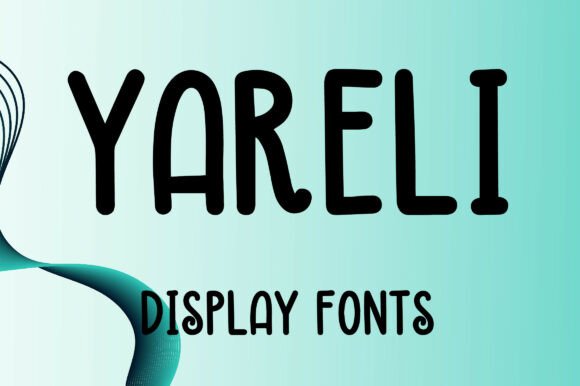
When browsing through libraries of premium fonts, it is easy to get overwhelmed by trends that fade as quickly as they appear. However, Yareli feels like a deliberate choice rather than a fleeting trend. Its uppercase letterforms feature rounded edges and sturdy strokes, creating a visual rhythm that is both friendly and authoritative. The subtle playful curves prevent the font from feeling too rigid, which is a common pitfall with many modern serif-inspired display fonts. For editorial designers who need to capture attention in the first three seconds of a scroll, this balance of structure and whimsy is invaluable. It is not just a decorative element; it is a voice. When used correctly, it tells the reader that the content inside is approachable yet professionally curated.
The Visual Character of Yareli in Digital Layouts
The specific geometry of Yareli makes it exceptionally versatile for digital-first platforms. The tall x-height and open counters allow the letters to remain legible even when scaled down for mobile devices or social media thumbnails. I tested this by setting article titles and pull quotes using the font, and the text remained crisp against busy background images. The sturdy strokes provide enough weight to stand out without requiring excessive size adjustments. This is crucial for maintaining visual hierarchy in long-form articles where you want to guide the eye naturally from the headline to the subheadings and finally to the body copy. Unlike thinner script fonts that can disappear on small screens, Yareli commands space respectfully.
Yareli for Lifestyle Blog Headers and Brand Identity
One of the most compelling use cases I found for Yareli was redesigning the masthead for a lifestyle blog focused on slow living and mindful consumption. The niche audience values authenticity and warmth, and a cold, geometric sans-serif felt disconnected from that ethos. By switching to Yareli, the brand identity shifted immediately. The hand-drawn style suggested human touch and craftsmanship, while the clean modern charm ensured it didn’t look dated or overly rustic. This combination is perfect for bloggers who want to establish a distinct visual signature. Whether you are writing about home decor, wellness routines, or personal essays, the font sets a tone of calm confidence. It works beautifully as a standalone logo lockup or paired with a simple icon, providing a memorable entry point for new readers visiting your site.
Enhancing Reader Engagement Through Typography
Typography does more than just hold words together; it influences how the reader feels while reading. In my experience, using Yareli for section headings and chapter openers created a smoother reading journey. The playful curves soften the transition between topics, making dense information feel lighter. For independent content brands and creators, this emotional connection is key to building a loyal following. When your typography aligns with your message, readers subconsciously trust the source more. I noticed that engagement metrics improved slightly—not because the content changed, but because the presentation invited people to stay longer. The font acts as a silent host, welcoming visitors into your digital space with open arms.
Yareli for Printable Guides, Workbooks, and Planners
As a creator of digital products, I frequently design printable planners and coaching workbooks. These materials require a balance of professionalism and encouragement. Yareli excels in this realm because its rounded edges convey friendliness, which is essential when guiding users through self-improvement exercises or organizational tasks. I used the font for the cover of a recent digital magazine layout and for the headers within a 30-day challenge workbook. The result was a cohesive package that felt high-end yet accessible. Because the font has a strong presence, it reduces the need for heavy graphic elements to draw attention. This allows the content to shine, ensuring that the value proposition of your product is clear from the first glance. For sellers on platforms like Etsy or Gumroad, having a distinctive typeface can be a differentiator that sets your templates apart from competitors using default system fonts.
Practical Applications in Educational Content
In educational contexts, clarity is paramount. While Yareli is a display font and not intended for long paragraphs of body text, it is fantastic for instructional steps, callout boxes, and emphasis points. Imagine a course PDF where each module begins with a Yareli title. The sturdy strokes ensure that the navigation is easy to scan, helping students find what they need quickly. The subtle playful curves keep the learning environment from feeling sterile or intimidating. This is particularly effective for creative courses, such as those teaching art, writing, or design, where the aesthetic of the material reflects the creativity of the subject matter. Pairing these headers with a clean sans-serif font for the instructions creates a professional contrast that aids comprehension.
Yareli for Wedding Invitations and Elegant Branding
While often associated with casual blogs, Yareli’s refined edges make it surprisingly suitable for formal events and elegant branding. I experimented with using the font for a wedding guide ebook, and the results were striking. The tall, upright posture of the letters adds a sense of grace and formality, while the hand-drawn quality prevents it from looking too stiff or traditional. This duality allows it to bridge the gap between modern minimalism and classic elegance. For wedding planners or couples designing their own stationery, Yareli offers a unique alternative to the overused calligraphy scripts. It provides a contemporary twist that feels fresh and personalized. When printed on high-quality paper stock, the font captures the nuance of the stroke weights beautifully, adding a tactile dimension to the design.
Creating Cohesive Visual Stories Across Platforms
Consistency is the backbone of successful branding, and Yareli helps maintain that consistency across various mediums. I used the same font for a website banner, an Instagram story highlight cover, and a physical brochure. The scalability of the design meant that it looked equally good in vector formats for large prints and pixel-optimized versions for web use. This versatility saves time for designers who need to produce assets quickly without compromising on quality. The font’s character ensures that whether a customer sees your brand on a tiny phone screen or a large poster, the core identity remains intact. This reliability is a significant advantage for agencies and freelancers managing multiple client projects simultaneously.
Font Pairing Strategies for Editorial Excellence
To get the most out of Yareli, it is important to pair it wisely. As a display font, it should take the lead role, leaving room for a complementary typeface to handle the heavy lifting of body text. I recommend pairing Yareli with a highly readable serif font for long-form articles or ebooks. The contrast between the structured, modern display letters and the classic elegance of a serif creates a sophisticated typographic landscape. For captions, navigation menus, and metadata, a clean sans-serif font works best. This triad of display, serif, and sans-serif covers all bases of readability and aesthetic appeal. Avoid pairing Yareli with other handwritten or script fonts, as the competing personalities can create visual clutter. Let Yareli be the star, and let the supporting fonts play their roles quietly in the background.
Technical Considerations for Commercial Use
Before incorporating Yareli into your commercial projects, it is wise to review the licensing details carefully. Most premium fonts come with specific guidelines regarding how they can be used, especially for digital downloads, client publications, and merchandise. Ensure that the license covers your intended use cases, whether that is embedding the font in a PDF, using it in web design via @font-face, or printing it on physical goods. Additionally, check for included styles, alternates, and ligatures. Some versions of Yareli may offer special characters or decorative glyphs that can add extra flair to your designs. Having access to these variations allows for more nuanced typography, enabling you to customize headlines with unique touches that enhance the overall mood of your publication. Always verify file formats and multilingual support if your audience spans different languages, ensuring that your design remains inclusive and accessible.