Cormorant: A Serene Display Font for Editorial Design
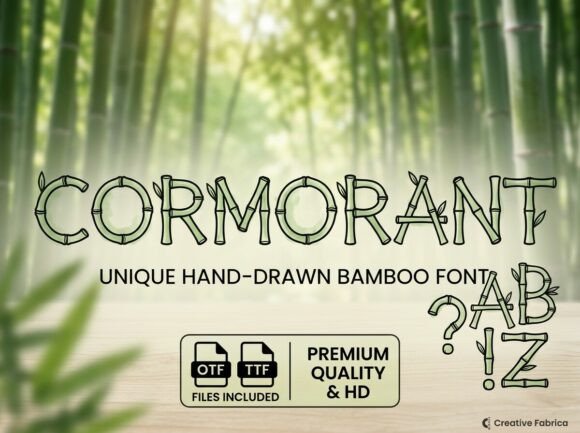
When you are designing a digital magazine or a premium ebook, the typography you choose sets the emotional tone before a single word is read. Cormorant offers a sophisticated solution for creators seeking to bring a touch of serene, natural beauty to your creative projects with Cormorant, a premium display font inspired by the timeless elegance of bamboo. Each character is thoughtfully constructed from slender, refined strokes that evoke the grace of calligraphy while maintaining the structural integrity required for modern publishing. For editorial designers and content creators, selecting the right Display Fonts can mean the difference between a layout that feels cluttered and one that breathes with intention.
Cormorant for Magazine Covers and Publication Branding
The visual impact of a publication’s cover relies heavily on its headline treatment, and Cormorant excels in this high-stakes arena. As a serif font with distinct personality, it commands attention without shouting. Its delicate yet sturdy forms make it an ideal choice for establishing a brand identity that values tradition mixed with contemporary minimalism. When used for magazine covers, the varying weights allow you to create striking hierarchies; a bold, condensed version can anchor a main title, while lighter weights can handle subtitles with airy elegance. This versatility ensures that your publication branding remains consistent across print editions and digital thumbnails, where legibility at small sizes is crucial. The font’s inherent grace helps convey authority and sophistication, qualities essential for lifestyle, fashion, and literary publications.
Cormorant in Ebook Titles and Chapter Openers
For authors and self-publishers, the interior design of an ebook is just as critical as the cover. Using Cormorant for chapter openers creates a moment of pause and transition for the reader, signaling a shift in narrative or topic. Because it is a Display font, it works beautifully as a decorative element rather than body text. Imagine a chapter heading centered on a page, rendered in a large, elegant size of Cormorant, perhaps accompanied by a thin horizontal rule. This simple layout decision elevates the perceived value of your content. Whether you are writing a non-fiction guide, a novel, or a professional report, this typeface adds a layer of polish that generic system fonts cannot match. It transforms a standard document into a crafted reading experience, encouraging readers to linger longer on each page.
Cormorant for Newsletter Graphics and Social Media Content
In the crowded space of email marketing and social media, stopping the scroll requires distinctive visuals. Creators often struggle to balance readability with aesthetic appeal, but Cormorant strikes a perfect balance for accent typography. Use it for pull quotes, key takeaways, or header graphics within your newsletter. Its slender lines render well on screens, ensuring that your message remains crisp whether viewed on a mobile device or a desktop monitor. By pairing Cormorant with a clean sans-serif font for the body copy of your emails, you create a dynamic contrast that guides the eye. The serif font provides the structure for easy reading, while the Display font adds flair to headlines and calls to action. This combination is particularly effective for coaching newsletters, creator updates, and curated content digests where personal branding is paramount.
Cormorant for Printable Guides and Lead Magnets
Digital products such as worksheets, planners, and printable guides benefit immensely from high-quality typography. Readers expect these materials to feel tangible and professional, even when consumed digitally. Cormorant’s connection to traditional print aesthetics makes it an excellent choice for headers in downloadable PDFs. When designing a lead magnet, such as a recipe ebook or a wedding planning checklist, using Cormorant for section titles adds a touch of luxury. The font’s fine details hold up well in high-resolution prints, ensuring that your physical outputs look as polished as your digital assets. Furthermore, its neutral yet warm character suits a wide range of niches, from wellness and mindfulness to business strategy and education. It avoids being too playful or too severe, allowing the content itself to shine while providing a supportive typographic frame.
Cormorant for Quote Graphics and Inspirational Content
Quote graphics are a staple of social media engagement and blog posts, serving as shareable snippets of wisdom. Cormorant’s cursive-inspired serifs and fluid curves make it exceptionally suited for typography-heavy designs. When featuring a powerful statement or a client testimonial, setting the text in Cormorant instantly conveys elegance and thoughtfulness. The font’s ability to handle both uppercase and lowercase characters with equal grace allows for creative formatting options, such as all-caps tracking for emphasis or italicized scripts for subtle nuance. For bloggers and influencers, this means creating visually cohesive content that aligns with a serene, natural aesthetic. The visual weight of the letters draws the viewer in, making the quote the focal point of the image without needing excessive graphical elements.
Font Pairing Strategies for Editorial Layouts
To maximize the effectiveness of Cormorant, it is essential to pair it with complementary typefaces that enhance its strengths. Since Cormorant is a Display font, it should generally not be used for long-form body text. Instead, pair it with a highly readable serif font for paragraphs to maintain comfort during extended reading sessions. Alternatively, a geometric sans-serif font can provide a modern counterpoint, grounding the elegance of Cormorant with clean, functional lines. This pairing strategy is vital for web design and digital publishing, where user experience depends on clear visual hierarchy. By limiting Cormorant to headings, subheads, and accents, you ensure that your content remains accessible and scannable. This approach respects the reader’s need for clarity while satisfying the designer’s desire for artistic expression.
Technical Considerations and Licensing for Commercial Use
Before integrating Cormorant into your commercial projects, it is important to review the specific technical features and licensing terms. Premium fonts often come with extensive style sets, including multiple weights, italics, and specialized alternates that can add unique character to your designs. Check if the font supports multilingual characters if you plan to publish content for international audiences. Additionally, verify the commercial license requirements, especially if you are embedding the font in ebooks, using it in paid templates, or applying it to merchandise. Proper licensing protects your work and respects the designer’s intellectual property. For most editorial uses, including blogs, magazines, and digital downloads, a standard commercial license will suffice, but always confirm the scope to avoid legal issues. Investing in a high-quality font like Cormorant is an investment in the overall professionalism and longevity of your creative output.