Thickster Outline Typeface Review
I remember the exact moment I realized my digital magazine layout lacked visual weight. The content was strong, the photography was sharp, but the typography felt timid. We were designing a feature on rugged outdoor gear, and every headline tried to whisper instead of shout. That is when I stopped looking for standard sans-serifs and started searching for something with structure. I needed a Display font that could define space without cluttering it. That search led me to Thickster Outline, a striking display typeface that captures a rugged-and-engineered soul.
This review explores how Thickster Outline functions not just as a decorative element, but as a structural tool in editorial design. Whether you are building a newsletter header, redesigning a blog, or creating a high-impact PDF guide, understanding the rhythm of this font is essential for maintaining publication identity.
Thickster Outline for Editorial Headers and Cover Text
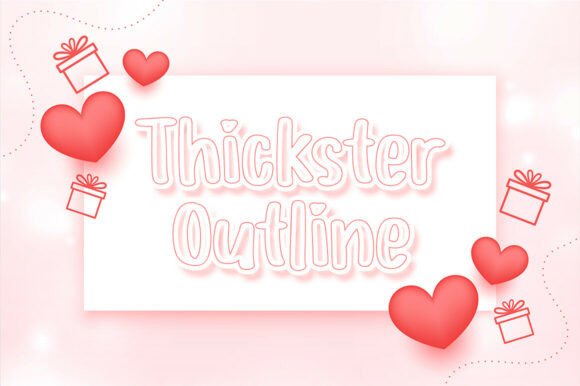
When evaluating Thickster Outline, the first thing you notice is its massive silhouette. Unlike many modern display fonts that rely on thin hairlines or complex curves, this typeface leans into bold, geometric solidity. In my testing for a lifestyle blog redesign, I used Thickster Outline for the main cover text. The result was immediate authority. The font’s engineered feel provides a sense of durability and permanence, which is crucial for establishing trust with readers before they even read the first sentence.
The outline style adds a layer of sophistication. By removing the solid fill and focusing on the contour, the letters breathe more easily against busy backgrounds. This makes Thickster Outline particularly effective for magazine covers where imagery competes for attention. It allows the image to show through while still commanding the viewer’s gaze. For creators selling printable planners or course PDFs, using Thickster Outline for the title page creates an instant perception of value. It signals that the content inside is substantial, structured, and well-crafted.
However, size matters. Because Thickster Outline features such large silhouettes, it demands space. When used for headers, ensure there is ample white space around the text. Crowding these letters diminishes their impact. I found that setting them in all caps with wide tracking (letter-spacing) enhanced the "engineered" aesthetic, making the headlines look like architectural blueprints rather than casual notes.
Thickster Outline for Newsletter Graphics and Social Media
For newsletter writers and independent content brands, grabbing attention in a crowded inbox is a constant challenge. Thickster Outline serves as an excellent tool for branding your digital communications. I tested this font in a series of email graphics promoting a new ebook launch. The contrast between the heavy, outlined letters and the clean, minimal background created a focal point that drew the eye immediately.
The font’s versatility extends to social media graphics as well. On platforms like Instagram or Pinterest, where visuals are scanned quickly, the distinct shape of Thickster Outline stands out. It works particularly well for quote cards or announcement banners. The rugged character of the font pairs surprisingly well with soft, pastel, or minimalist design elements, creating a balanced tension that feels both modern and timeless. This juxtaposition helps prevent your brand from looking too masculine or too delicate, allowing for a broader audience appeal.
Thickster Outline for Ebook Titles and Chapter Openers
In long-form content, such as ebooks or coaching workbooks, visual hierarchy is key to reader retention. Thickster Outline excels at breaking up dense text and signaling transitions. I used this font for chapter openers in a digital workbook designed for creative entrepreneurs. The heavy outlines provided a clear visual break between sections, helping readers mentally reset before diving into new material.
One of the most compelling aspects of Thickster Outline is its ability to support readability through structure. While it is a display font and not intended for body copy, its use in subtitles and pull quotes can guide the reader’s eye effectively. When pulling out a key insight from a paragraph, setting that quote in Thickster Outline gives it the weight it deserves. It tells the reader, "This is important." This strategic use of typography enhances the overall reading experience by making the content scannable and organized.
For authors and publishers, consistency is vital for building a recognizable brand identity. Using Thickster Outline across all chapters, the table of contents, and the back matter creates a cohesive look. It ties the entire project together, giving it the polish of a professionally published print book. This level of detail can significantly increase the perceived value of your digital product, encouraging higher conversion rates for sales or downloads.
Thickster Outline for Printable Guides and Worksheets
If you create printable resources, such as budget trackers, meal planners, or educational worksheets, the clarity of your typography directly affects usability. Thickster Outline is ideal for the titles and section headers of these documents. Its bold nature ensures that headings remain legible even when printed in black and white or on lower-quality paper.
I recommend using Thickster Outline sparingly in these contexts. Reserve it for the top-level hierarchy—main titles and major section breaks. Use a simpler, highly readable serif font or a clean sans serif font for the actual instructions and data fields. This combination leverages the best qualities of both typefaces: the expressive personality of Thickster Outline and the functional clarity of a body copy font. This approach prevents visual fatigue and keeps the user focused on the task at hand.
Font Pairing and Technical Considerations
Selecting the right companion font is critical when working with a strong display typeface like Thickster Outline. Because Thickster Outline has a distinct "rugged-and-engineered" personality, it pairs beautifully with fonts that offer contrast. A classic serif font, such as a Garamond or Baskerville derivative, provides an elegant counterpoint to the modern geometry of Thickster Outline. This pairing works exceptionally well for editorial layouts that aim for a sophisticated, journalistic feel.
Alternatively, a clean sans serif font can create a contemporary, tech-forward look. This combination is often preferred for newsletters, web design projects, and digital magazines targeting a younger demographic. The key is to avoid pairing Thickster Outline with another display font or a script font, as this can create visual chaos. Simplicity in the secondary typeface allows Thickster Outline to shine without competition.
Before incorporating Thickster Outline into your commercial projects, it is essential to check the included styles and licensing terms. Ensure the font file includes the necessary weights and alternates for your design needs. Verify that the commercial license permits usage in ebooks, templates, and digital downloads if you plan to sell products featuring this typography. Proper attribution and adherence to licensing agreements protect your business and respect the designer’s work.
Thickster Outline for Brand Identity and Logo Design
Beyond editorial layouts, Thickster Outline offers unique possibilities for brand identity and logo design. Its distinctive outline structure can be adapted for custom lettering or monograms. The font’s strong presence makes it suitable for logos in industries such as construction, automotive, fitness, and outdoor recreation, where strength and reliability are core brand values.
For designers crafting a brand identity package, Thickster Outline can serve as the primary logotype or a supporting element in the visual system. Its geometric precision lends itself well to vector manipulation, allowing for creative variations and adaptations across different media. Whether used on packaging design, business cards, or website headers, Thickster Outline brings a memorable and impactful quality to any brand touchpoint.
In conclusion, Thickster Outline is more than just a pretty font; it is a powerful tool for defining space and guiding reader attention. Its rugged elegance and engineered structure make it a valuable asset for bloggers, publishers, and designers seeking to elevate their visual communication. By integrating Thickster Outline thoughtfully into your layouts, you can create designs that are not only visually striking but also functionally effective.